Fox ESS CQ7 Review: Is Fox’s New Battery Any Good? (2026)
An honest Fox ESS CQ7 review: full specs, how it scales to 98 kWh, what real owners say on Reddit, warranty, price with the battery rebate, and whether it's worth it.
If you’ve been pricing up home batteries in Australia, you’ve probably noticed Fox ESS keeps coming up: usually because it’s cheaper than the names everyone knows. And if you’ve gone down the Reddit rabbit hole, you’ve seen the question that follows every quote: “Is Fox ESS actually any good, or is it too cheap to be true?”
Here’s the honest answer up front: the Fox ESS CQ7 is a genuinely capable, safe LFP battery, and the hardware is reliable. The catch isn’t the battery. It’s who installs and supports it. We’ll explain exactly why below, because it’s the single most important thing to understand before you buy.
This is a straight, no-spin review of the new CQ7 from a CEC-accredited Melbourne installer: the specs, how it scales, what real owners actually complain about, and who it’s right for.
The short version: The CQ7 is a high-voltage, stackable LFP battery that scales from 14 kWh to 98 kWh in 7 kWh steps, runs at >95% round-trip efficiency with 90% usable depth of discharge, and is one of the best-value batteries you can put on an Australian wall: if it’s installed and supported properly.
What is the Fox ESS CQ7?
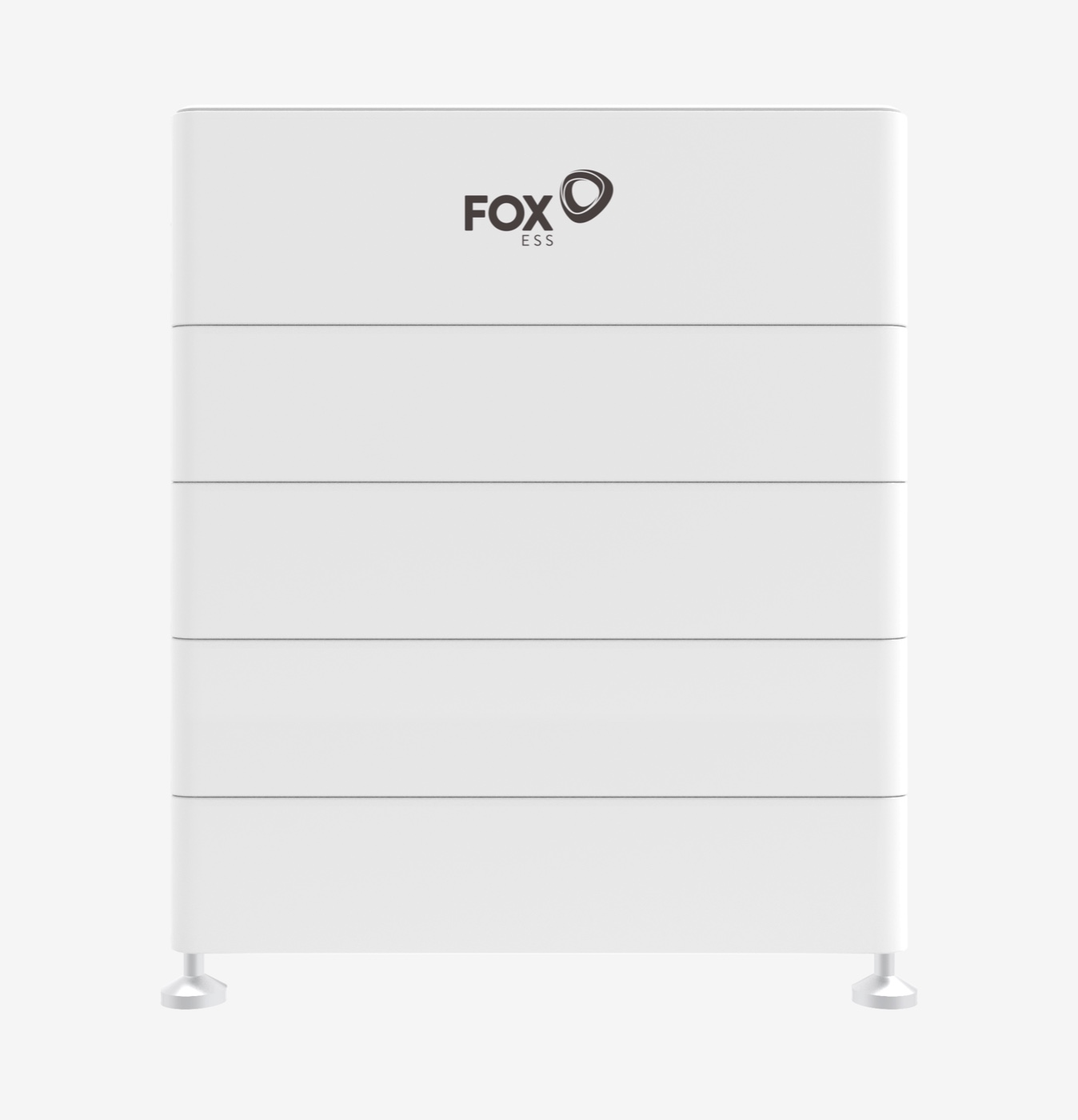
The CQ7 is Fox ESS’s latest high-voltage home battery: a floor-standing, stackable tower built from 7.02 kWh modules. You start with a base system and clip extra modules on as your needs (or budget) grow. It’s a “plug-and-play” modular design aimed at making installs faster and future expansion painless.
Two things make it stand out in the budget-to-mid tier:
It’s high-voltage, not low-voltage. High-voltage batteries pair with hybrid inverters more efficiently and handle big loads, ducted air-con, EV charging, several appliances at once, more comfortably.
It scales a long way. Most home batteries top out around 20–30 kWh. The CQ7 goes to 98.28 kWh, so the same product line covers a small terrace and a large, near-off-grid home or small business.
The Fox ESS CQ7: a floor-standing tower of stackable 7.02 kWh LFP modules.
Fox ESS CQ7 specifications at a glance
Specification
Fox ESS CQ7
Battery chemistry
LFP (LiFePO₄); safe, long-cycle
Module size
7.02 kWh
System range
14.04 kWh → 98.28 kWh (2–14 modules)
Usable depth of discharge
90%
Round-trip efficiency
>95%
Max charge / discharge
80 A (110 A peak for 60 s)
Cooling
Natural convection (no fans)
Operating temp
Charge 0–55°C, discharge −10–55°C (−25°C with optional warm-up)
Installation
Floor-standing, indoor or outdoor
Ingress protection
IP65
Safety / certs
IEC 62619, UN38.3, built-in fire-protection function
A few things worth pulling out of that table:
90% usable DoD means a 14 kWh system gives you roughly 12.6 kWh to actually use: more headroom than older batteries capped at 80%.
>95% round-trip efficiency means very little of your stored solar is lost on the way in and out.
Natural convection cooling (no fans) means it’s silent, with fewer moving parts to fail.
IP65 + −25°C warm-up option means it copes with a carport, garage or outdoor wall through a Melbourne winter.
How the CQ7 scales: 14 kWh to 98 kWh
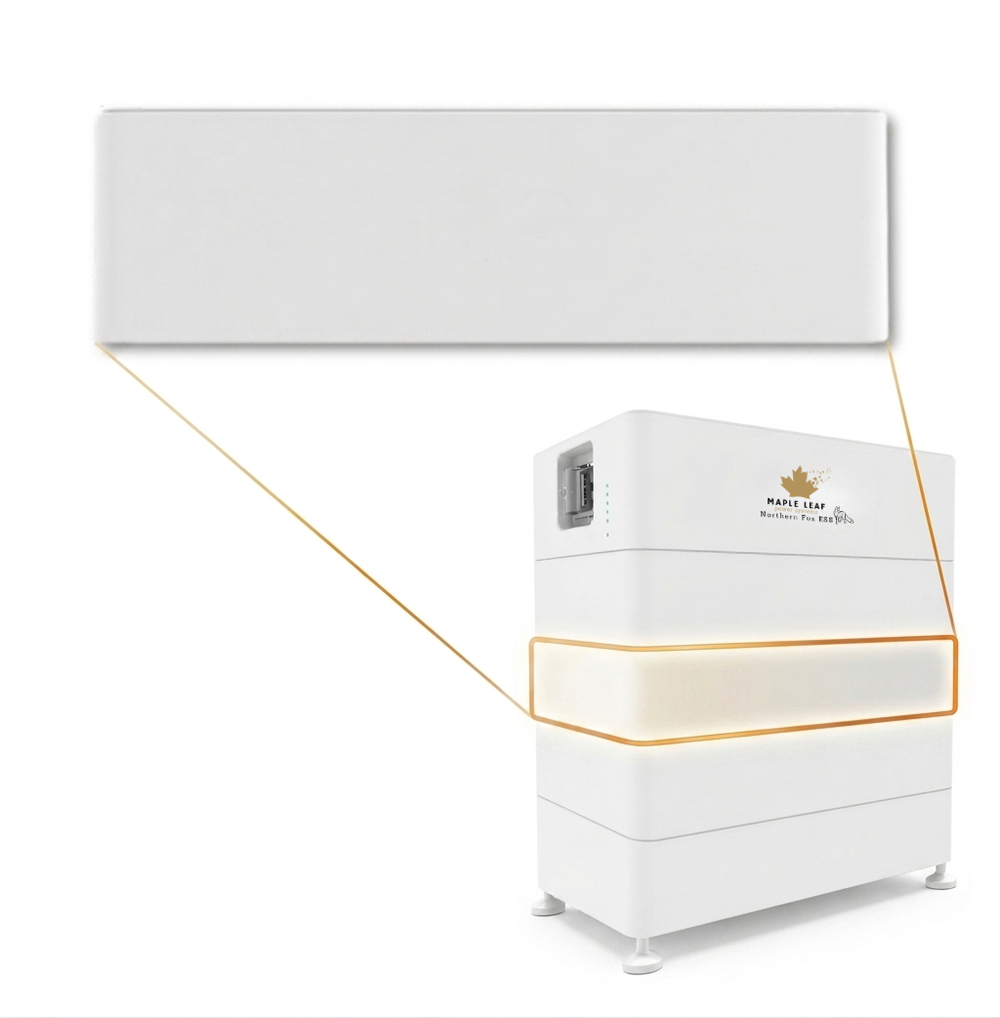
This is the CQ7’s headline trick. Each module adds 7.02 kWh, so you can size the system to your actual usage instead of buying a fixed box:
Modules
Usable storage (approx.)
Suits
2 (14 kWh)
~12.6 kWh
Smaller homes getting off peak tariffs
4 (28 kWh)
~25 kWh
Most family homes with solar + backup
6–8 (42–56 kWh)
~38–50 kWh
Large homes, pools, EV charging
10–14 (70–98 kWh)
~63–88 kWh
Near-off-grid homes & small business
For most Australian households claiming the federal rebate, the best value sits between roughly 14 and 28 kWh: enough to ride through the expensive evening peak and keep essentials running in a blackout, without paying for storage you’ll rarely fill.
Each Fox ESS CQ7 module adds 7.02 kWh: stack from 14 kWh up to 98 kWh.
“Is Fox ESS any good?”: what real owners actually say
This is where most reviews go quiet, so let’s be blunt. Search Reddit and the solar forums and you’ll find the same pattern again and again:
“I have the system and it is reliable, but the app and webpage are awful. They’re designed for a pro installer, not an end customer.”
— r/SolarUK
“Only minor issues with the app. The real challenge is customer support.”
— r/solar
So what’s going on? Three honest takeaways:
The cells and hardware are fine. Owners overwhelmingly report the battery itself is reliable. It’s LFP: the same safe, long-life chemistry Tesla and BYD use.
The app is functional, not beautiful. Fox’s monitoring portal feels built for installers. It does the job, but it’s not the polished Tesla-style experience.
Support runs through your installer. This is the big one. Fox ESS doesn’t take end-customer support calls directly: your installer is your support line. That’s exactly why Fox’s public review scores look lower than the hardware deserves: a slow or absent installer becomes a “Fox problem” in the reviews, even when the battery is working fine.
The conclusion writes itself: with Fox ESS, your installer matters more than the brand. A great battery behind a cheap, hands-off installer is a bad experience. The same battery behind an accredited local team that answers the phone is an excellent one.
“Too cheap to be true?”: the value question, answered honestly
Fox ESS batteries are genuinely affordable, and the federal Cheaper Home Batteries rebate (worth roughly $300+ per usable kWh, and stepping down each year) drops the price further. That combination produces quotes that look almost suspiciously low: which is exactly why “too cheap to be true?” is a top search.
The honest take: the price is real, and the cells are legitimate LFP. Not a scam. The risk isn’t fake hardware; it’s a fake install. Forum threads are full of warnings about ultra-cheap quotes where corners get cut and batteries are wired in ways that aren’t fully compliant. A non-compliant install can void your warranty, fail inspection, or, worst case, be unsafe.
In other words: a low price on the battery is good news. A suspiciously low price on the whole job is a warning to check who’s actually doing the work.
Fox ESS CQ7 vs Tesla Powerwall vs Sigenergy
Most Melbourne buyers are choosing between three tiers:
Fox ESS CQ7: best value. The most kWh per dollar, scalable, high-voltage, solid LFP. Best when you want maximum usable storage on a sensible budget and you’ve got a good installer.
Tesla Powerwall 3: best app and brand. Slick software and huge name recognition, at a premium price.
Sigenergy: premium all-in-one. Battery, inverter and EV charging in one award-winning unit. If you want the high-end, EV-ready option, read our Sigenergy battery guide.
There’s no single “best”. There’s the best fit for your budget, usage and roof. The CQ7’s job in that line-up is clear: deliver the most real storage for the least money, safely.
Who should buy the CQ7 (and who shouldn’t)
The CQ7 is a great fit if you:
Want the most usable storage per dollar
Have (or are adding) solar and want to slash your evening peak bill
Like the idea of starting smaller and expanding later
Are using an accredited installer who’ll support you afterwards
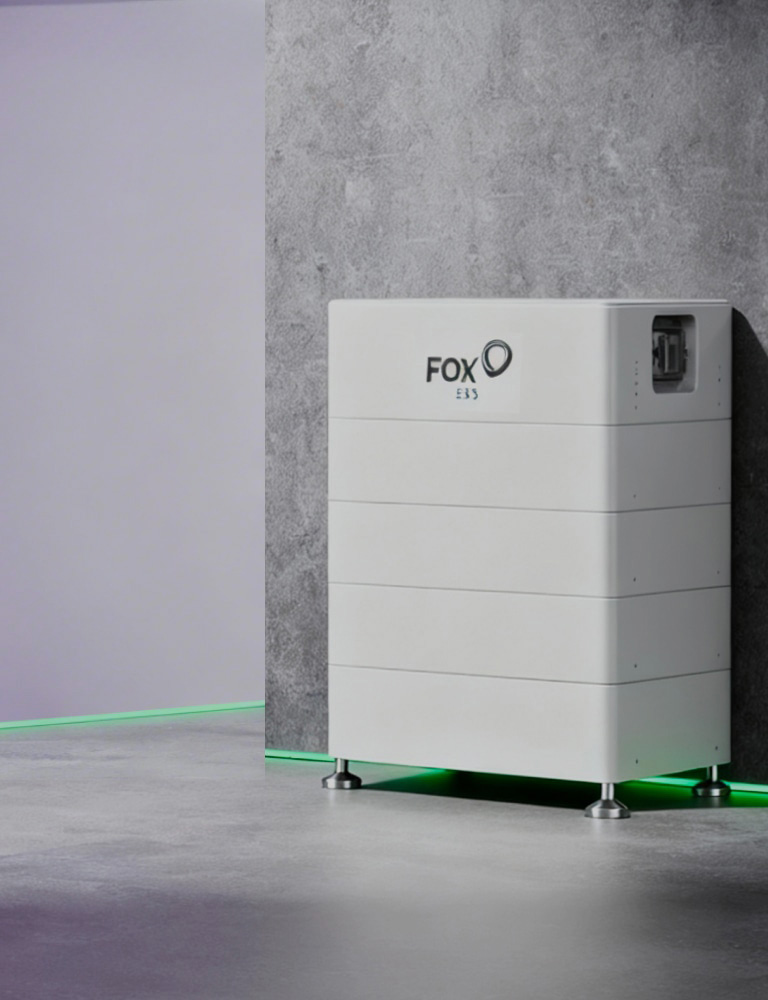
The Fox ESS CQ7: IP65-rated for a clean indoor or outdoor install.
Look elsewhere if you:
Want the most polished app on the market above all else
Want battery, inverter and EV charging fused into one designer unit (that’s Sigenergy territory)
Are being quoted a whole-job price that seems impossibly cheap from an installer you can’t easily reach
Why the installer matters more than the battery
You’ve probably gathered the theme by now. Because Fox routes support through the installer, the CQ7 is only as good as the team standing behind it. At E3 Energy, that’s the whole point of how we work:
CEC-accredited, in-house Melbourne team. No subcontractors, no call-centre runaround
We are your support line. When something needs attention, you call us, not an overseas queue
Compliant, inspection-ready installs: done properly the first time, so your warranty stands
500+ homes powered across Melbourne, 4.9★ on Google
10-year workmanship guarantee on top of the Fox ESS manufacturer warranty (up to 12 years on the CQ range)
Thinking about a Fox ESS CQ7?Get a compliant, accredited install from a local Melbourne team that answers the phone.
Yes: the CQ7 uses safe LFP chemistry and owners consistently report the hardware is dependable. The common complaints are about the app and about support being routed through the installer, which is why choosing a responsive, accredited installer matters so much.
How big can a Fox ESS CQ7 system get?
It scales from 14.04 kWh up to 98.28 kWh by adding 7.02 kWh modules (up to 14 in series), so it covers everything from a small home to a near-off-grid setup or small business.
What warranty does the Fox ESS CQ7 come with?
Fox ESS offers a long manufacturer warranty: up to 12 years on the new CQ range. E3 Energy adds a 10-year workmanship guarantee on the installation. Exact terms are confirmed on your quote.
Can the CQ7 be installed outdoors?
Yes. It’s IP65-rated for indoor or outdoor installation, and an optional warm-up function lets it operate down to −25°C: fine for a Melbourne garage, carport or outdoor wall.
Is the CQ7 good value compared to Tesla or Sigenergy?
For pure usable storage per dollar, the CQ7 is hard to beat. Tesla wins on app polish and brand; Sigenergy wins as a premium all-in-one with EV charging. The right choice depends on your budget and priorities.
The bottom line
The Fox ESS CQ7 is a smart, scalable, safe battery that delivers a lot of usable storage for the money, and the “is it any good?” worry mostly comes down to installation and support, not the hardware. Get it installed by an accredited team that actually answers the phone, and it’s one of the best-value batteries in the country.
Thinking about a Fox ESS CQ7?Get a compliant, accredited install from a local Melbourne team that answers the phone.
Prefer to talk it through? Call 1300 254 507 to speak with a local Melbourne specialist.
Written by the E3 Energy team: CEC-accredited home battery and solar specialists serving Melbourne and Victoria. Specifications sourced from the Fox ESS CQ7 datasheet (v1.1). Independent context: SolarQuotes battery comparison and the Clean Energy Council.