Buyer’s guide · Updated July 2026
Winter is when this question lands hardest. Cold Melbourne evenings push power bills to their yearly peak, and every second quote promises a battery will wipe them out. For a lot of Victorian homes a battery does pay off in 2026. For some it still doesn’t, and the difference comes down to a few things you can check before you sign.
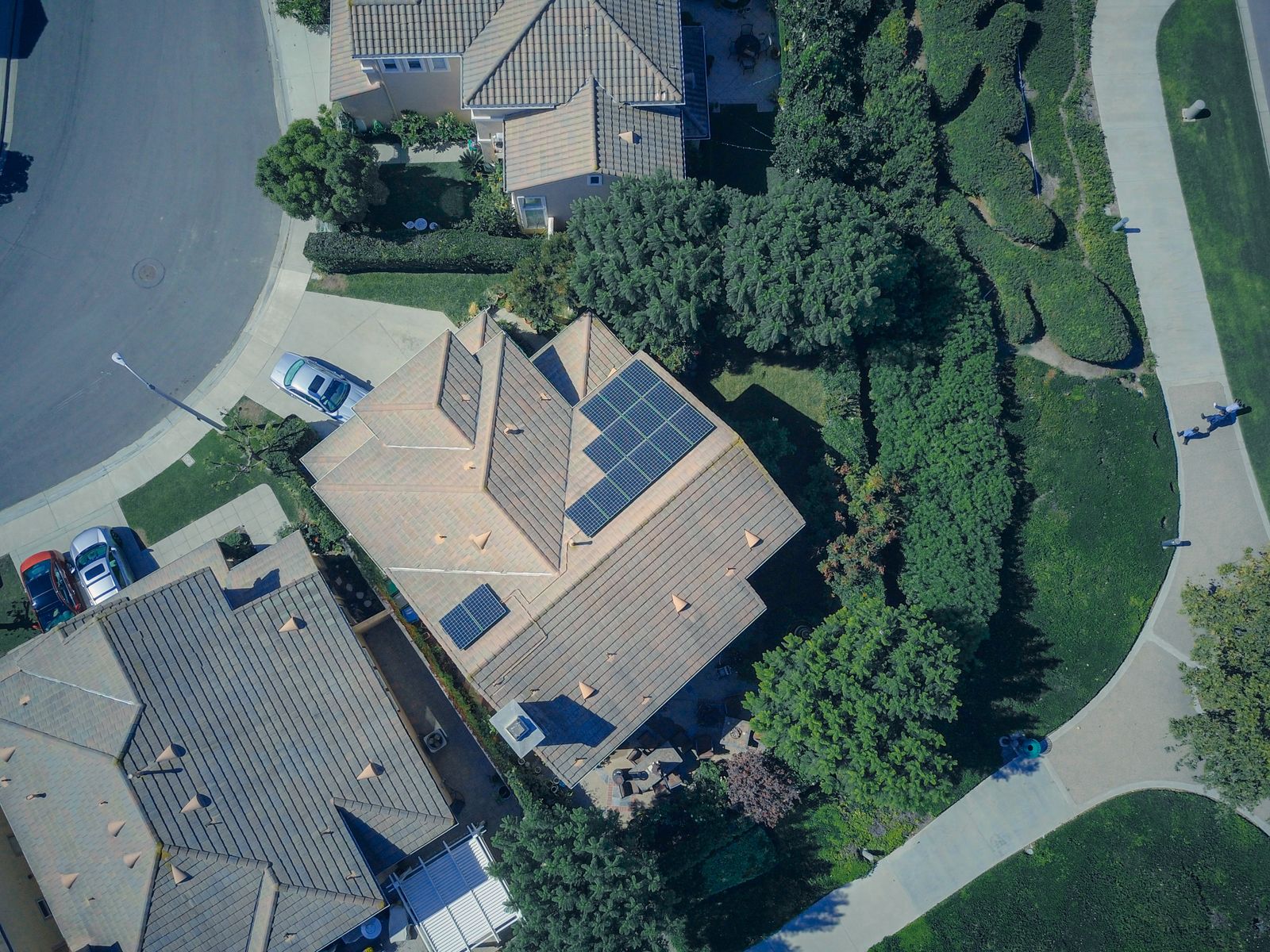 Solar plus a right-sized battery covers the expensive evening peak and keeps the essentials on during an outage.
The short version: A home battery in Victoria usually earns its keep over about 5 to 12 years, and lands in the shorter half of that range when three things line up: you use a fair amount of power in the evening, you claim the federal rebate while it’s still near its peak, and you enrol in a VPP. Oversize the battery or barely use power after dark, and the payback stretches out.
What actually decides whether a battery pays off
A battery doesn’t save you money by existing. It saves you money by storing cheap or self-generated power and using it when grid power is expensive. Four things decide how well that works for your home:
- Your evening and overnight usage. A battery only earns its keep on power you would otherwise buy at peak. If the house is empty every evening, there’s less to shift and less to save.
- Your tariff. A time-of-use plan with a steep evening peak makes a battery work much harder than a flat tariff does.
- The rebate. The federal Cheaper Home Batteries Program takes roughly a quarter to a third off the installed price right now. Our Victorian battery rebate guide breaks down the exact per-kWh figures.
- A VPP. Enrolling in a virtual power plant lets your retailer draw on the battery at peak demand and pays you ongoing credits on top of the upfront rebate.
The numbers in 2026
Prices move with size, brand and your switchboard, but the shape is consistent across Melbourne homes:
- Installed cost: independent industry guides put a typical home battery around $9,000 to $15,000 installed before the rebate, depending on capacity.
- Rebate: about $3,800 off a 14 kWh battery in 2026 under the federal program, or roughly 25 to 30% of the installed price.
- Payback: independent estimates put most Victorian battery paybacks in the 5 to 12 year range today. A strong VPP and solid evening use pull it shorter. A flat tariff and a mostly-empty house push it longer.
| A battery pays back sooner if… |
It pays back later if… |
| You use a lot of power in the evening (WFH, home EV charging, pool, medical equipment) |
The house is empty most evenings and your usage is low |
| You’re on a time-of-use tariff with an expensive peak |
You’re on a flat tariff and don’t plan to switch |
| You enrol in a VPP for ongoing credits |
You buy the biggest battery available “to be safe” |
| You have solar exporting for a low feed-in tariff |
You size to a brochure instead of your bills |
Why sizing to your bills changes the maths
The most common way we see a payback ruined is over-sizing. Every kWh you add beyond what your evenings actually use still costs money, but it earns less rebate and shifts less power. The federal rebate is front-loaded onto the first 14 to 28 kWh of storage, so capacity past that is only lightly subsidised and often barely used.
We start from your real usage: your bills, your meter data, and when your household actually draws power. Then we size the battery to that, so you pay for storage that works rather than storage that sits on the wall. For most Melbourne homes the sweet spot sits in the 14 to 28 kWh range, which covers the evening peak and leaves enough in reserve for a blackout.
The winter case for acting now
Right now, in the middle of a Melbourne winter, two things line up. Evening peaks are at their most expensive of the year, so a battery that covers the 4 to 9pm window is offsetting power at its priciest. And winter storms make grid outages more likely, so backup on the essentials is worth more than it is in January.
There’s also the rebate clock. The federal discount steps down every year until the scheme closes at the end of 2030, so on a like-for-like battery the rebate will not be more generous than it is now.
How we work it out with you
E3 Energy is a Mitcham-based installer, a NETCC Approved Seller and a Solar Victoria Authorised Retailer. We install both Fox ESS and Sigenergy, so we can give you a straight comparison instead of pushing the one brand we happen to carry. We deduct the rebate up front, size the battery to your bills, and show you the real payback before you commit to anything.
Want your real payback, not a brochure estimate?We model it on your actual usage and your after-rebate price.
Get my payback estimate →
Frequently asked questions
Is a home battery worth it in Victoria in 2026?
For many homes, yes, especially those with high evening use, a time-of-use tariff and a VPP. Payback is commonly 5 to 12 years and is shortest when the battery is sized to your usage and you claim the federal rebate while it’s near its peak.
What’s the payback period on a home battery in Victoria?
Independent estimates put most Victorian paybacks around 5 to 12 years in 2026. It’s quicker with a VPP and high evening use, and slower on a flat tariff or with an oversized battery.
Do I need solar to make a battery worth it?
No. You can add a battery to a home with no solar and still claim the federal rebate, though pairing it with solar and a good tariff usually improves the return.
Does a bigger battery pay back faster?
Usually the opposite. The rebate is front-loaded onto the first 14 to 28 kWh, and extra capacity you don’t use at night just adds cost. Right-sizing beats over-sizing.
Is a battery worth it without joining a VPP?
It can be, but a VPP adds ongoing credits that meaningfully shorten the payback. We help you weigh a slightly smaller rebate with a strong VPP against the reverse.
Reviewed by E3 Energy: NETCC Approved Seller and Solar Victoria Authorised Retailer, based in Mitcham VIC. Updated July 2026. Cost and payback figures are indicative and depend on your usage, tariff and battery; your exact payback is confirmed on your quote. Rebate details from the DCCEEW Cheaper Home Batteries Program and the Clean Energy Regulator; payback context via SolarQuotes.

